Infrastructure
Compare routes and facilities by operating limits, compatibility and available layouts.
Routes & junctions
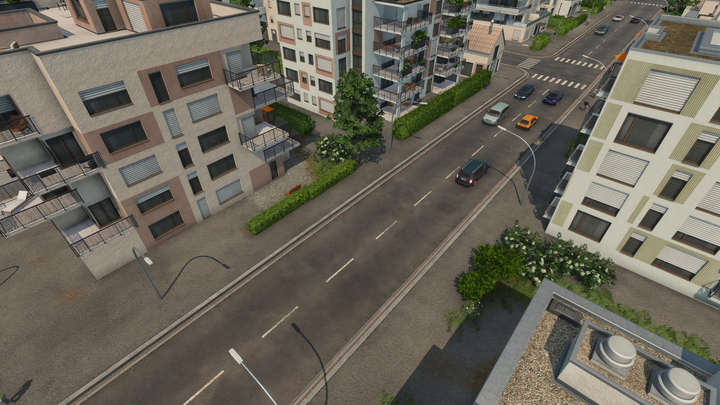
Extra-small town streets
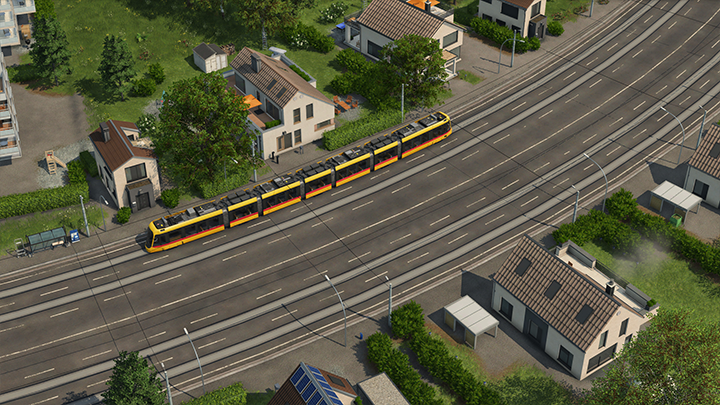
Narrow two-lane asphalt road that features a sidewalk, making it well-suited for use in towns.
From start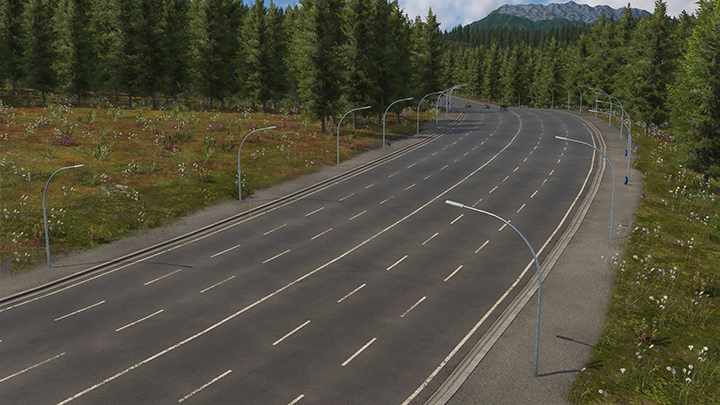
Large country roads
Six-lane asphalt road, well-suited for connecting distant locations. Use by pedestrians reduces their happiness.
From start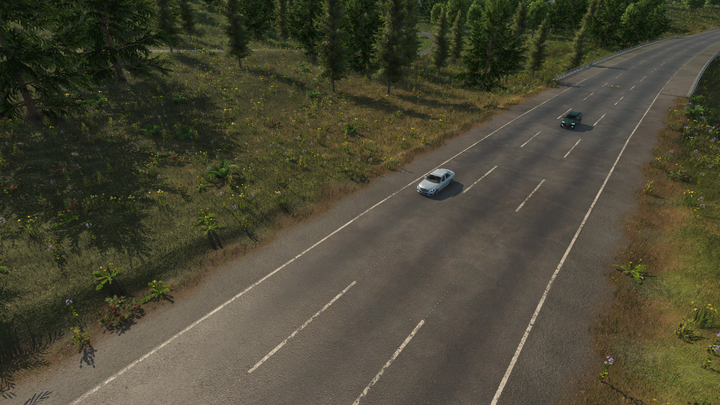
Large highways
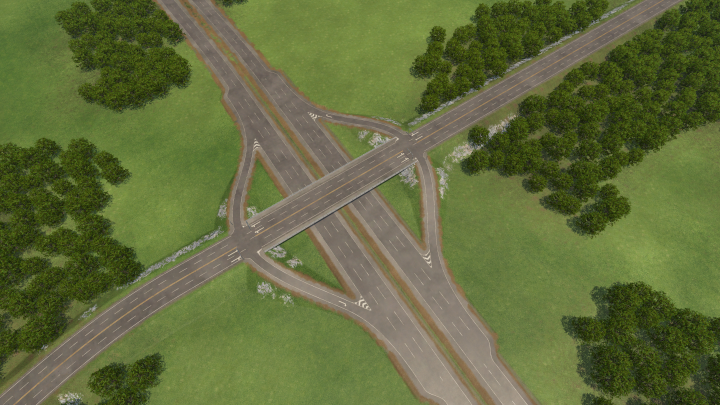
Three-lane asphalt highway that enables high-speed travel to distant locations.
1940 – onwards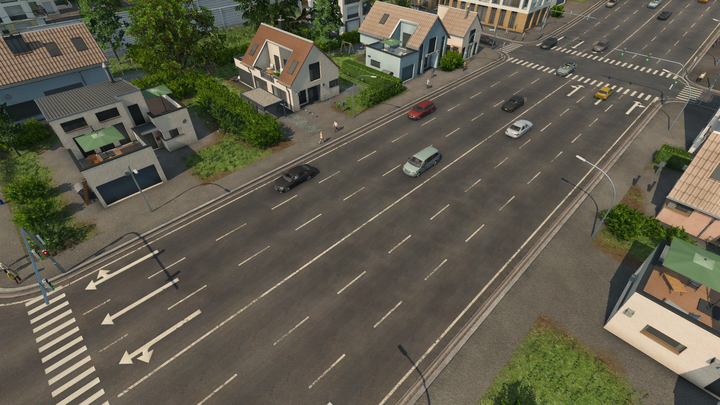
Large town streets
Six-lane asphalt road that features a sidewalk, making it well-suited for use in towns.
From start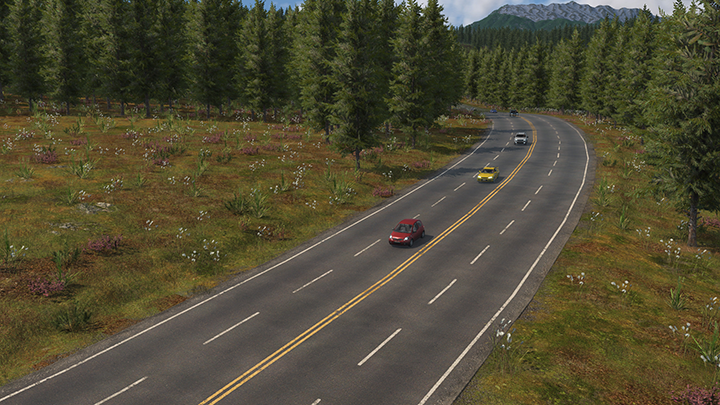
Medium country roads
Four-lane asphalt road, well-suited for connecting distant locations. Use by pedestrians reduces their happiness.
From start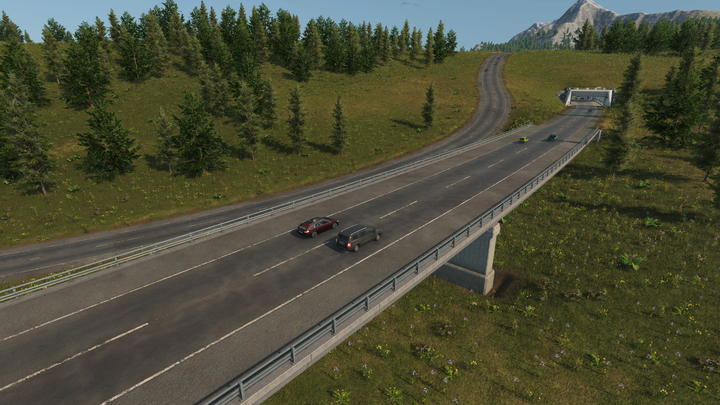
Medium highways
Two-lane asphalt highway that enables high-speed travel to distant locations.
1940 – onwards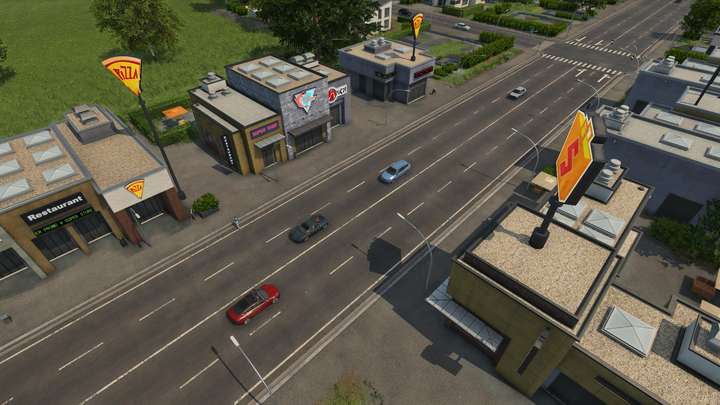
Medium town streets
Four-lane asphalt road that features a sidewalk, making it well-suited for use in towns.
From start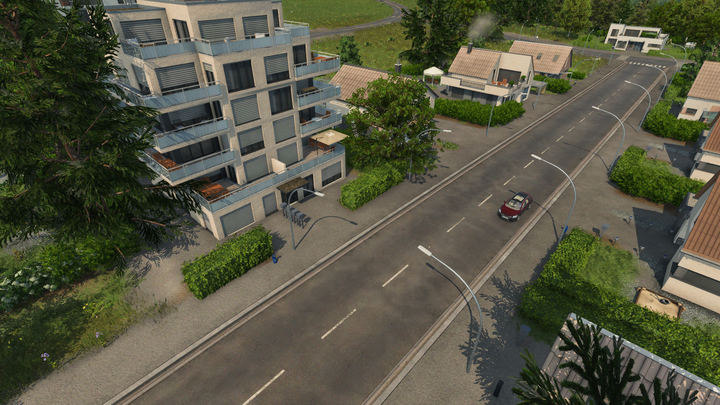
One-way extra-small town streets
Narrow two-lane, one-way asphalt road that features a sidewalk, making it well-suited for use in towns.
1940 – onwards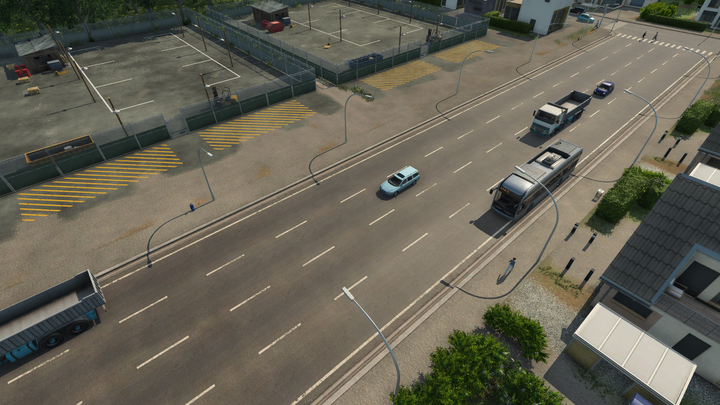
One-way medium town streets
Four-lane, one-way asphalt road that features a sidewalk, making it well-suited for use in towns.
1940 – onwards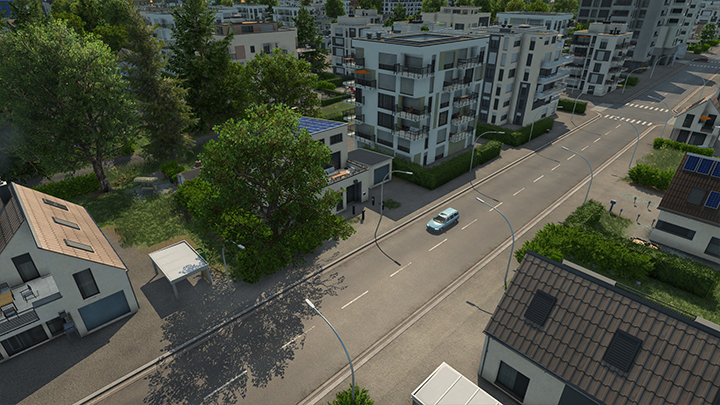
One-way small town streets
Two-lane, one-way asphalt road that features a sidewalk, making it well-suited for use in towns.
1940 – onwards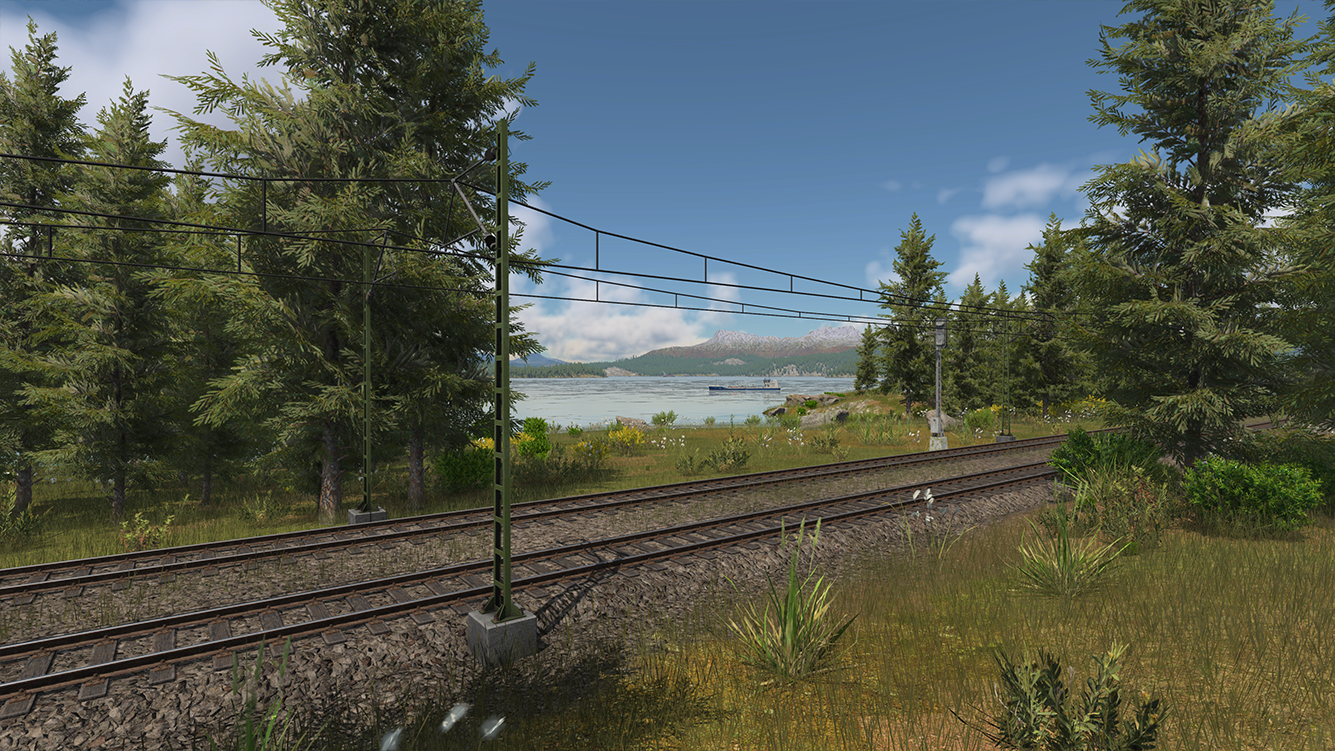
Railway tracks
Compare track speed limits and electrification. Electric trains require a compatible electrified route.
From start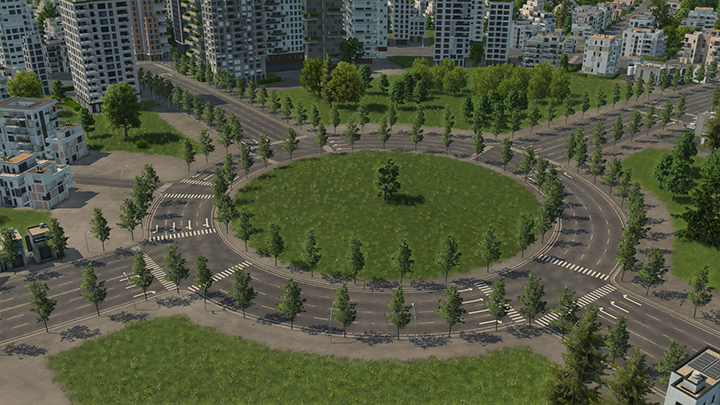
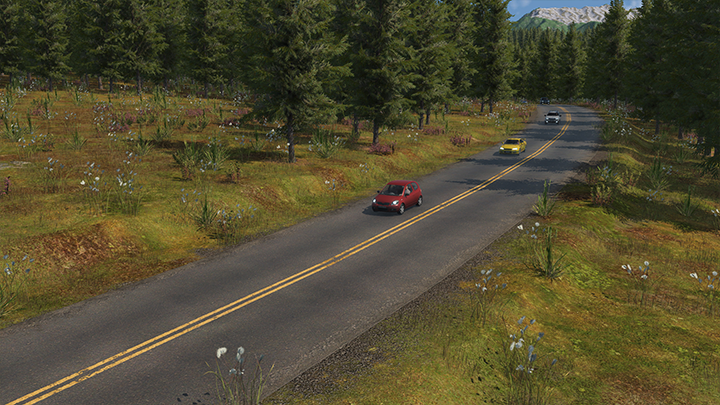
Small country roads
Two-lane asphalt road, well-suited for connecting distant locations. Use by pedestrians reduces their happiness.
From start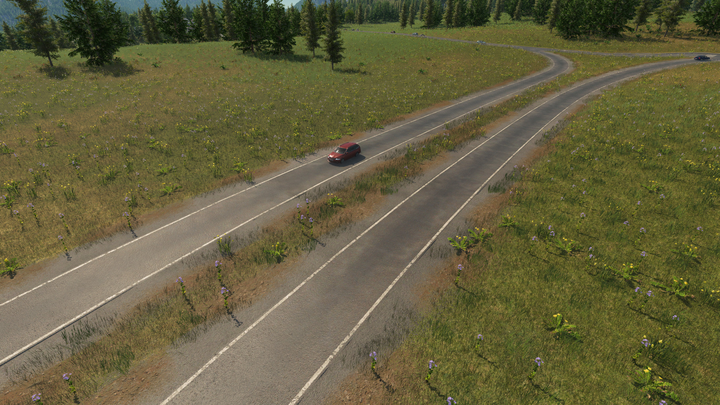
Small highways
One-lane asphalt highway that enables high-speed travel to distant locations.
1940 – onwards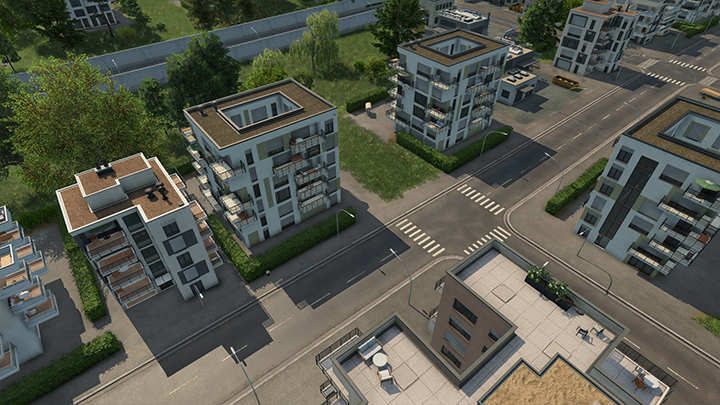
Small town streets
Two-lane asphalt road that features a sidewalk, making it well-suited for use in towns.
From start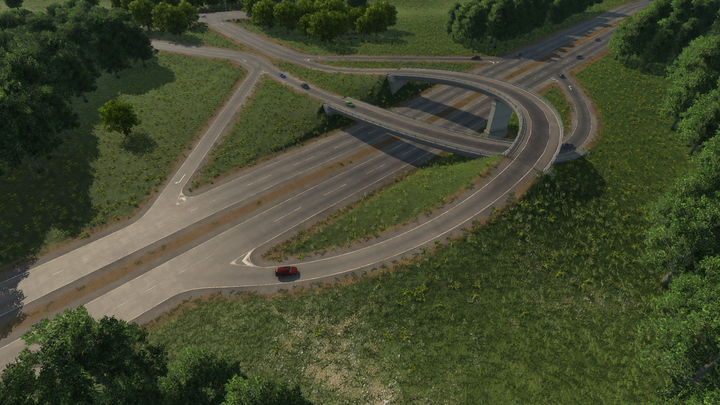
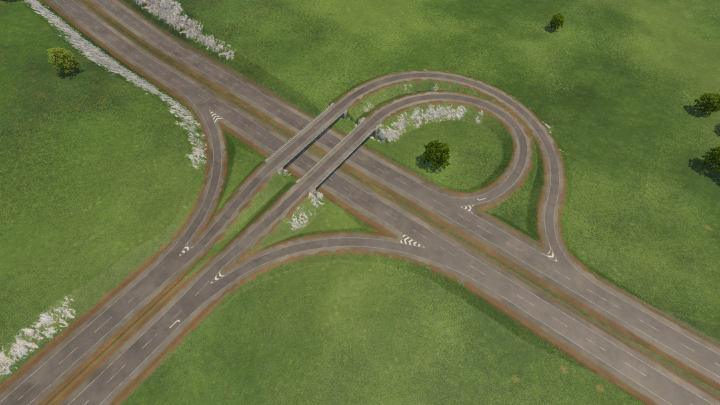
Bridges & tunnels


Facilities & operations
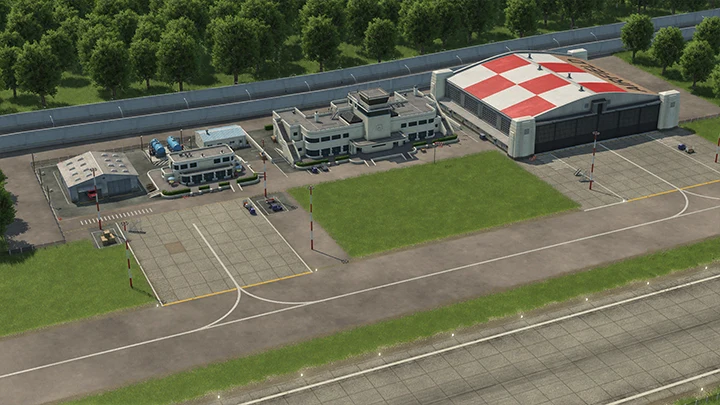
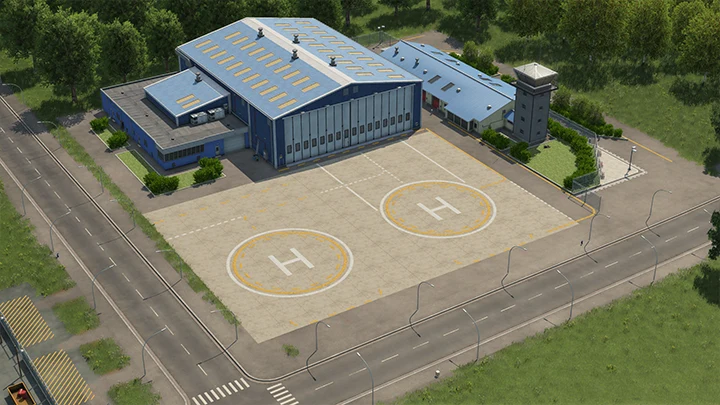
Airfield
Airfield for passengers and cargo with a depot for buying airplanes. It can be used by small airplanes and extended with modules. In a radius around the building, airplanes are automatically maintained.
1920 – onwards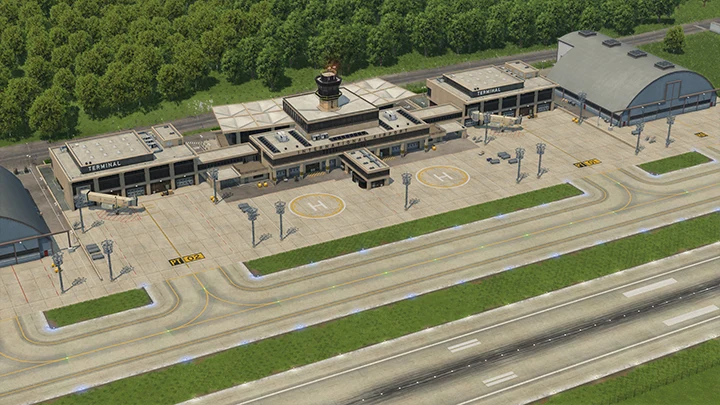
Airport
Airport for passengers and cargo with a depot for buying airplanes. It can be used by small and large airplanes and extended with modules. In a radius around the building, airplanes are automatically maintained.
1950 – onwards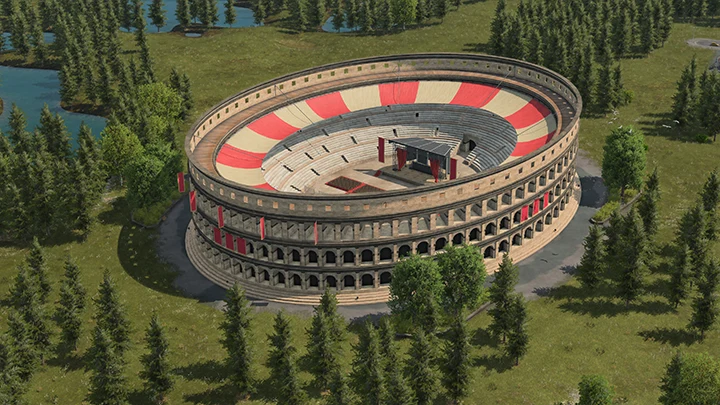
Amphitheater
After construction, changes road vehicle noise to 0.75× within the municipal area.
From start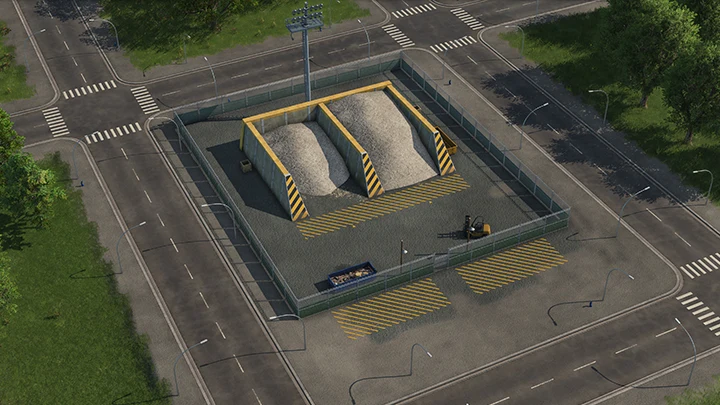
Bulk Warehouse
Warehouse for bulk cargo that can be extended with modules. Increases load speed for vehicles with specialization in bulk cargo.
1900 – onwards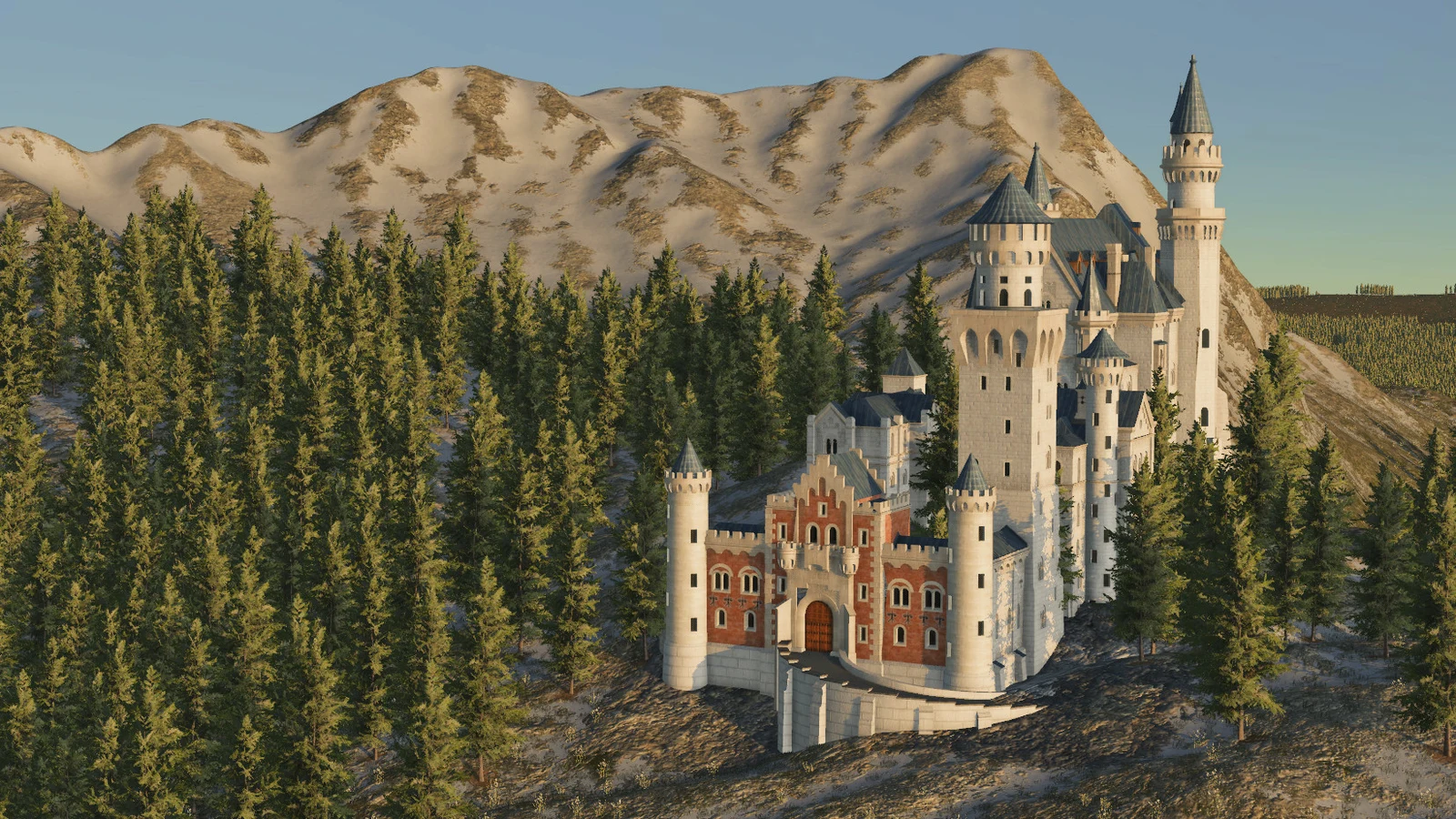
Castle Neuschwanstein
After construction, changes road vehicle comfort to 1.25× within the municipal area.
From start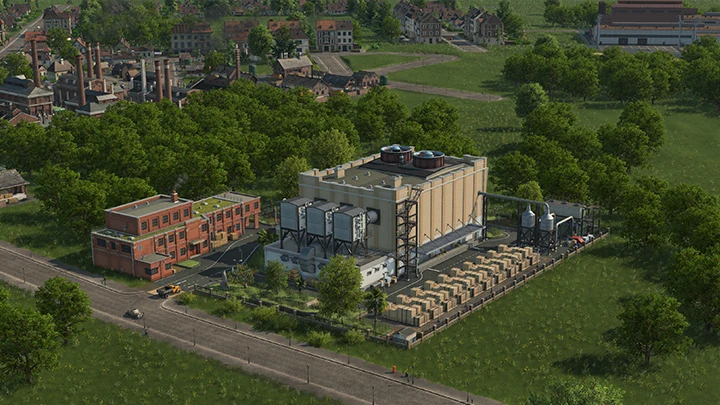
Cleaning Plant
A very expensive and noisy facility that removes pollution within its vicinity. Deliver cargo and boost the plant to improve the effect of pollution removal.
From start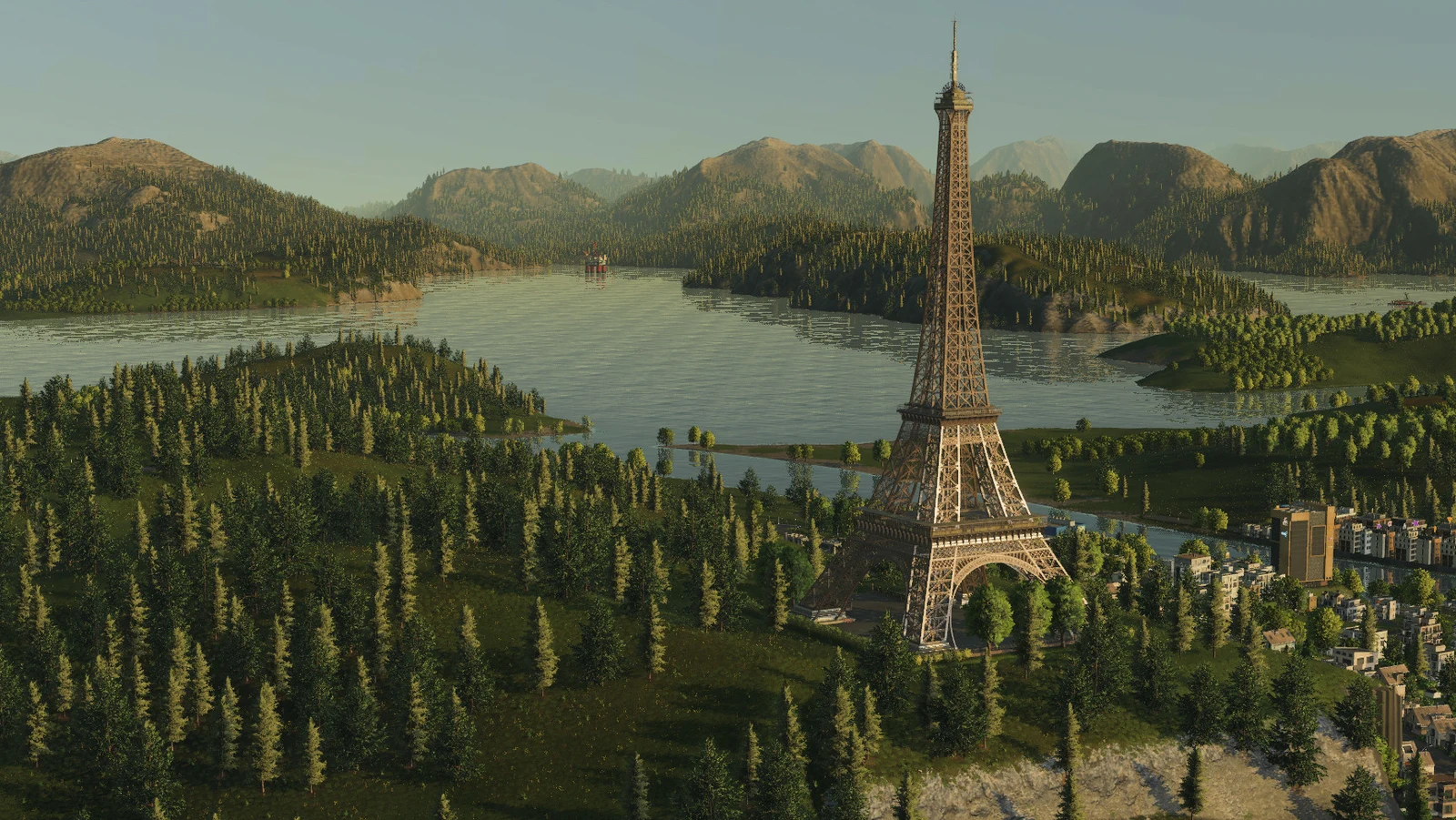
Eiffel Tower
After construction, changes road vehicle top speed to 1.25× within the municipal area.
From start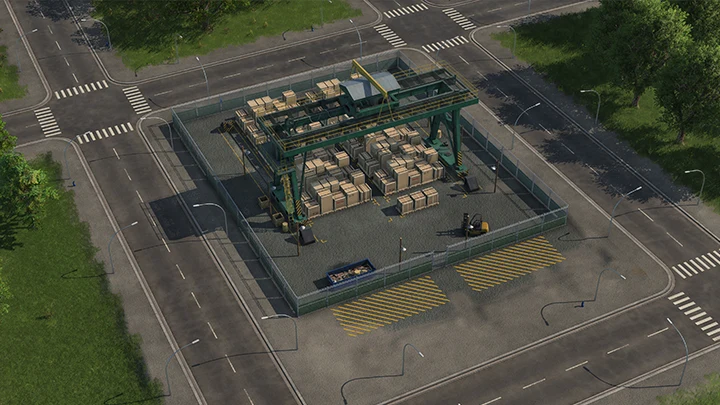
Flatbed Warehouse
Warehouse for flatbed cargo that can be extended with modules. Increases load speed for vehicles with specialization in flatbed cargo.
1900 – onwards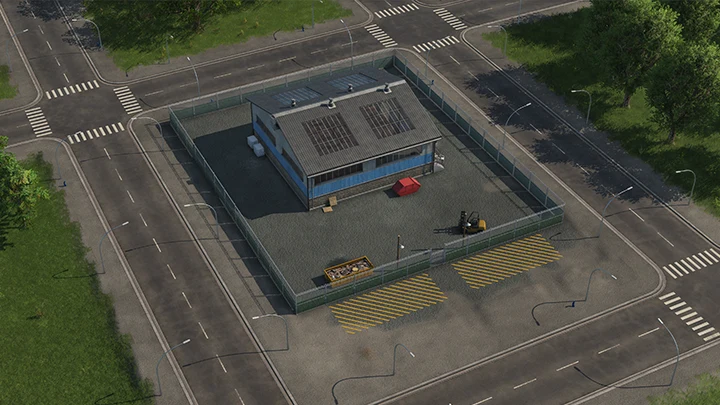
Goods Warehouse
Warehouse for goods cargo that can be extended with modules. Increases load speed for vehicles with specialization in goods cargo.
1900 – onwards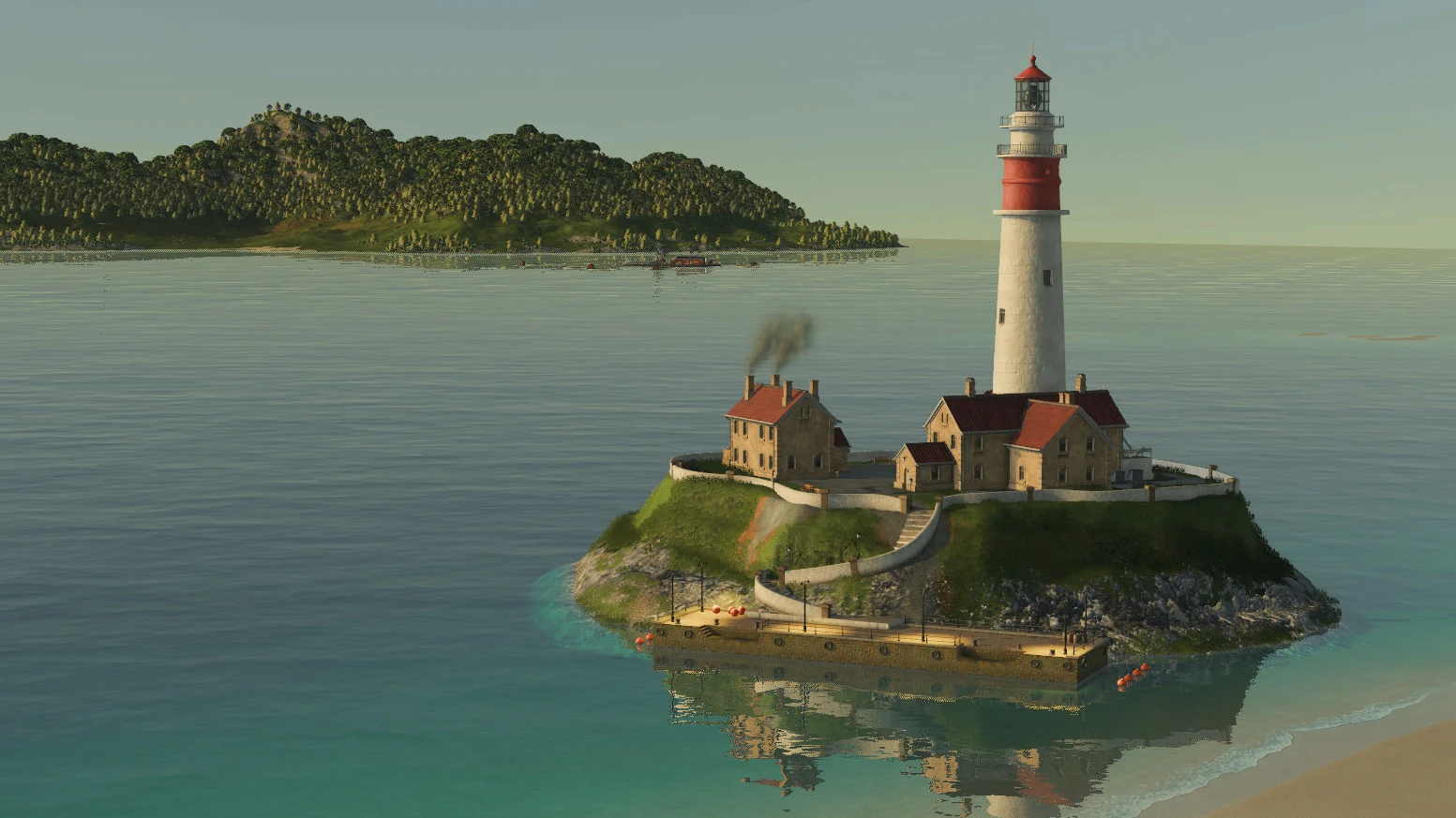
Great Lighthouse
After construction, changes water vehicle top speed to 1.2× within the municipal area.
From start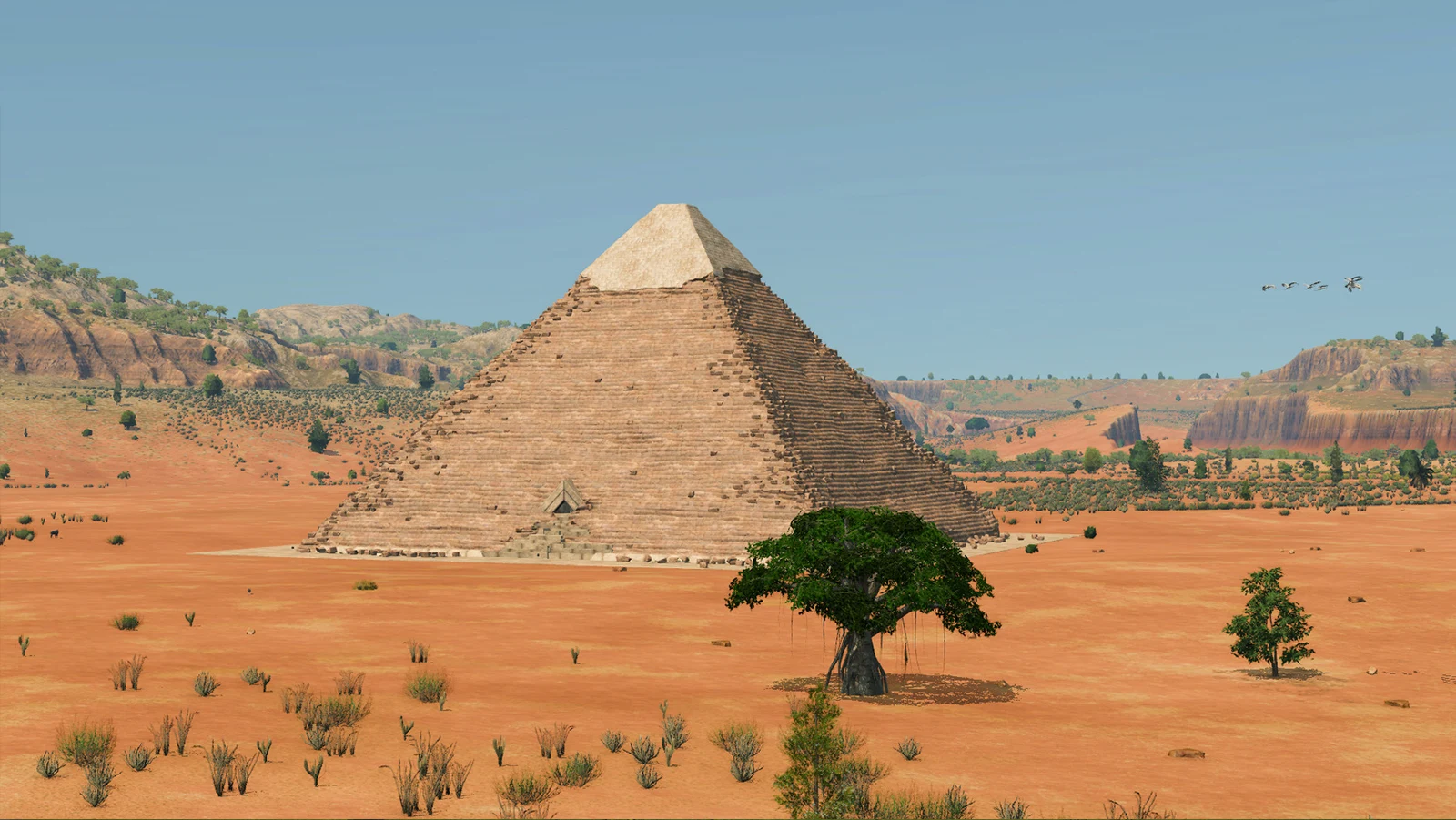
Great Pyramid
After construction, changes rail vehicle top speed to 1.25× within the municipal area.
From start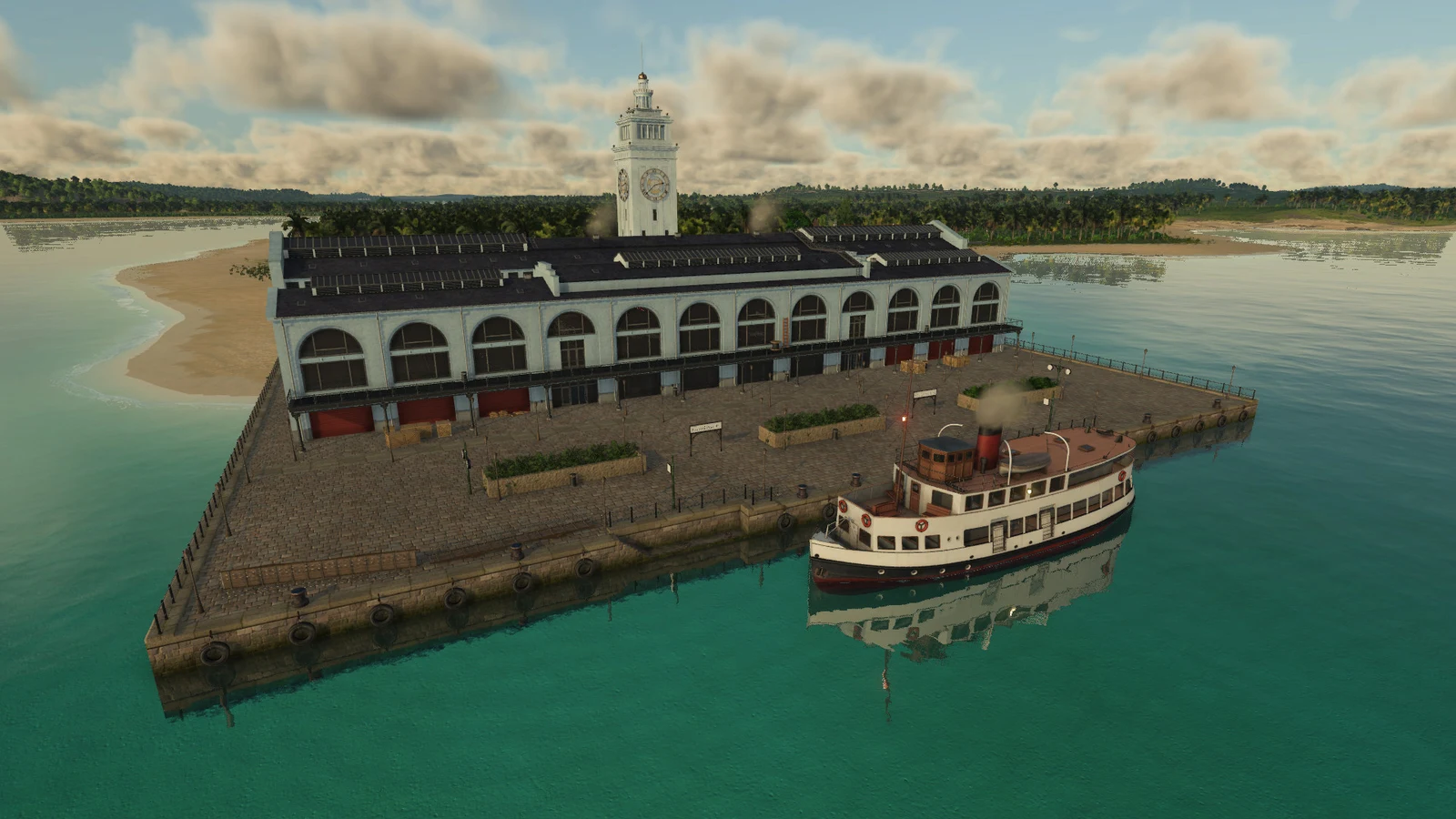
Harbours
Port for passengers and cargo that can be extended with modules. It can be used by small and large ships.
1900 – onwards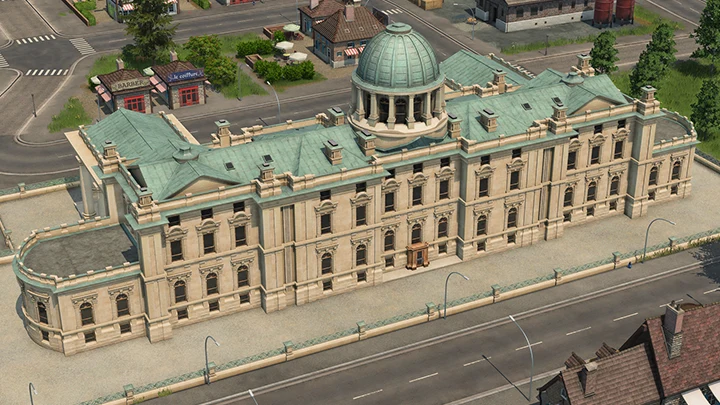
Headquarters
The headquarters is a symbol of the company's ambitions. Its impressive stature in classic design represents the company's lasting influence and success. Promotes the nearest town to the capital and increases its growth rate. Can be extended with modules that provide additional benefits.
1825 – onwards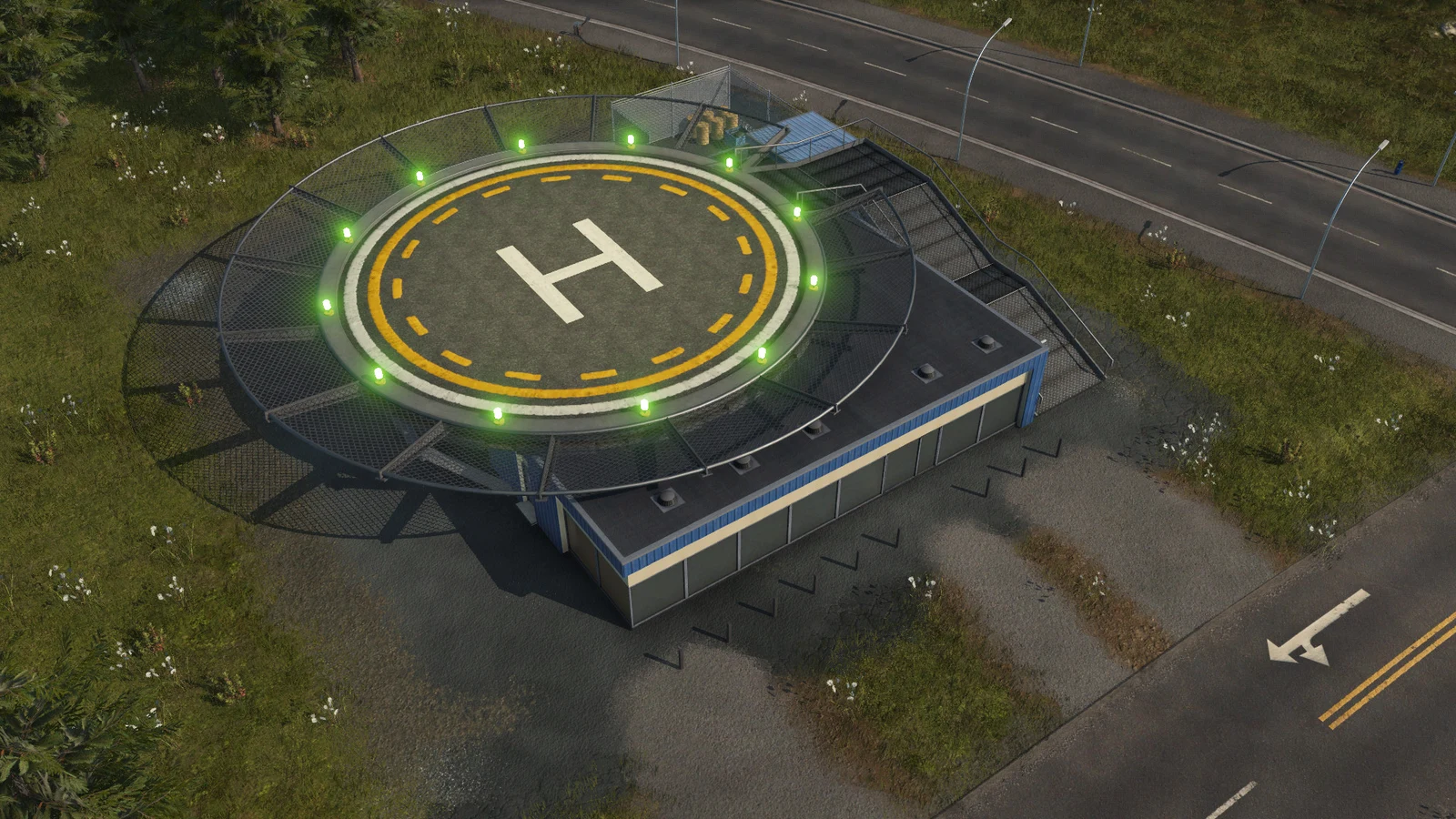
Heliport
Heliport for passengers and cargo with a depot for buying helicopters. It can be extended with modules. In a radius around the building, helicopters are automatically maintained.
1950 – onwards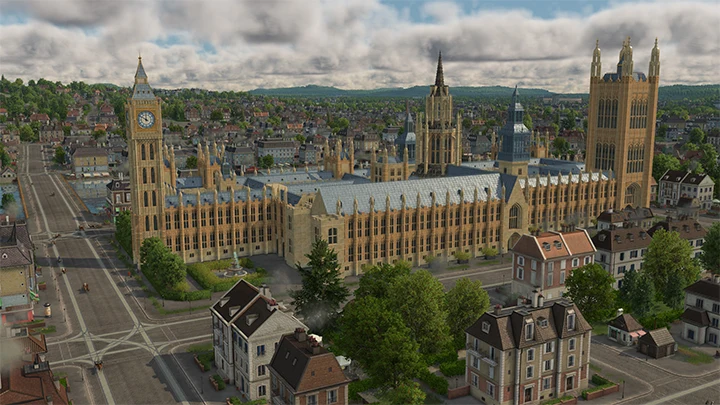
Houses of Parliament
After construction, changes road vehicle top speed to 1.2×, rail vehicle top speed to 1.2×, water vehicle top speed to 1.2×, air vehicle top speed to 1.2× within the municipal area.
From start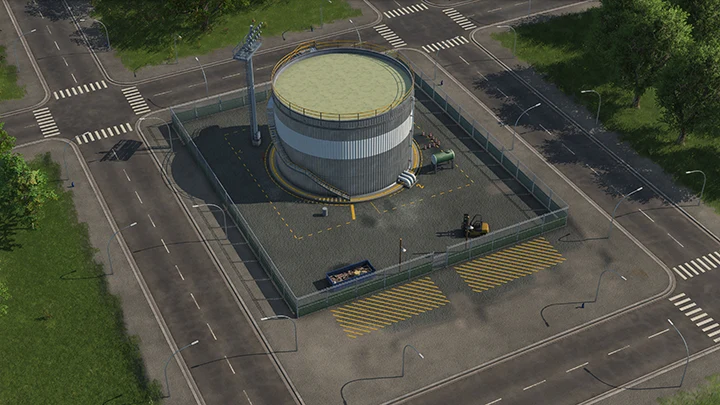
Liquid Warehouse
Warehouse for liquid cargo that can be extended with modules. Increases load speed for vehicles with specialization in liquid cargo.
1900 – onwards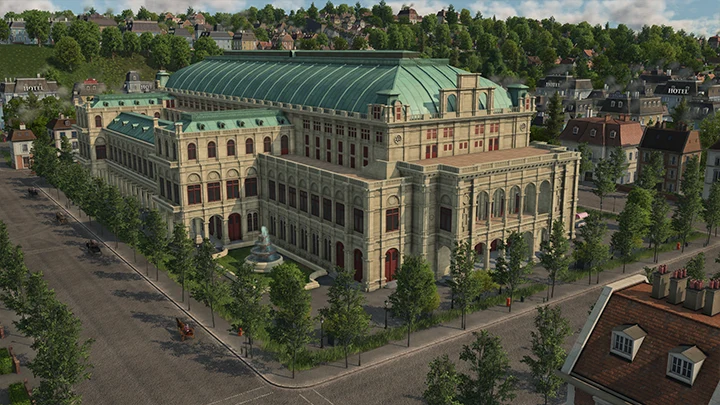
Opera House
After construction, changes rail vehicle comfort to 1.25× within the municipal area.
From start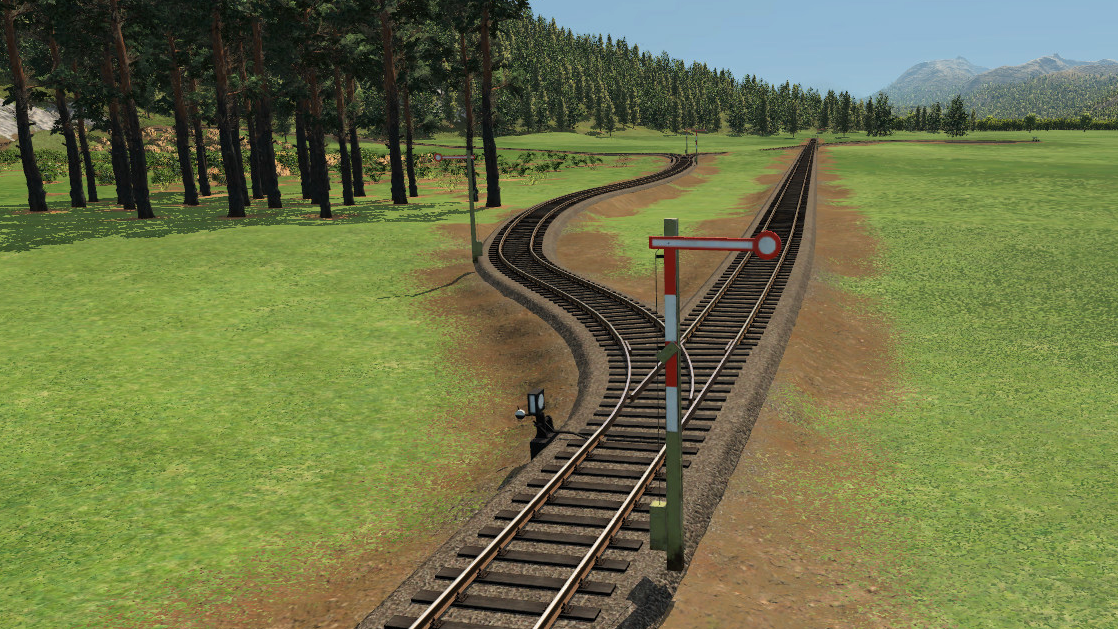
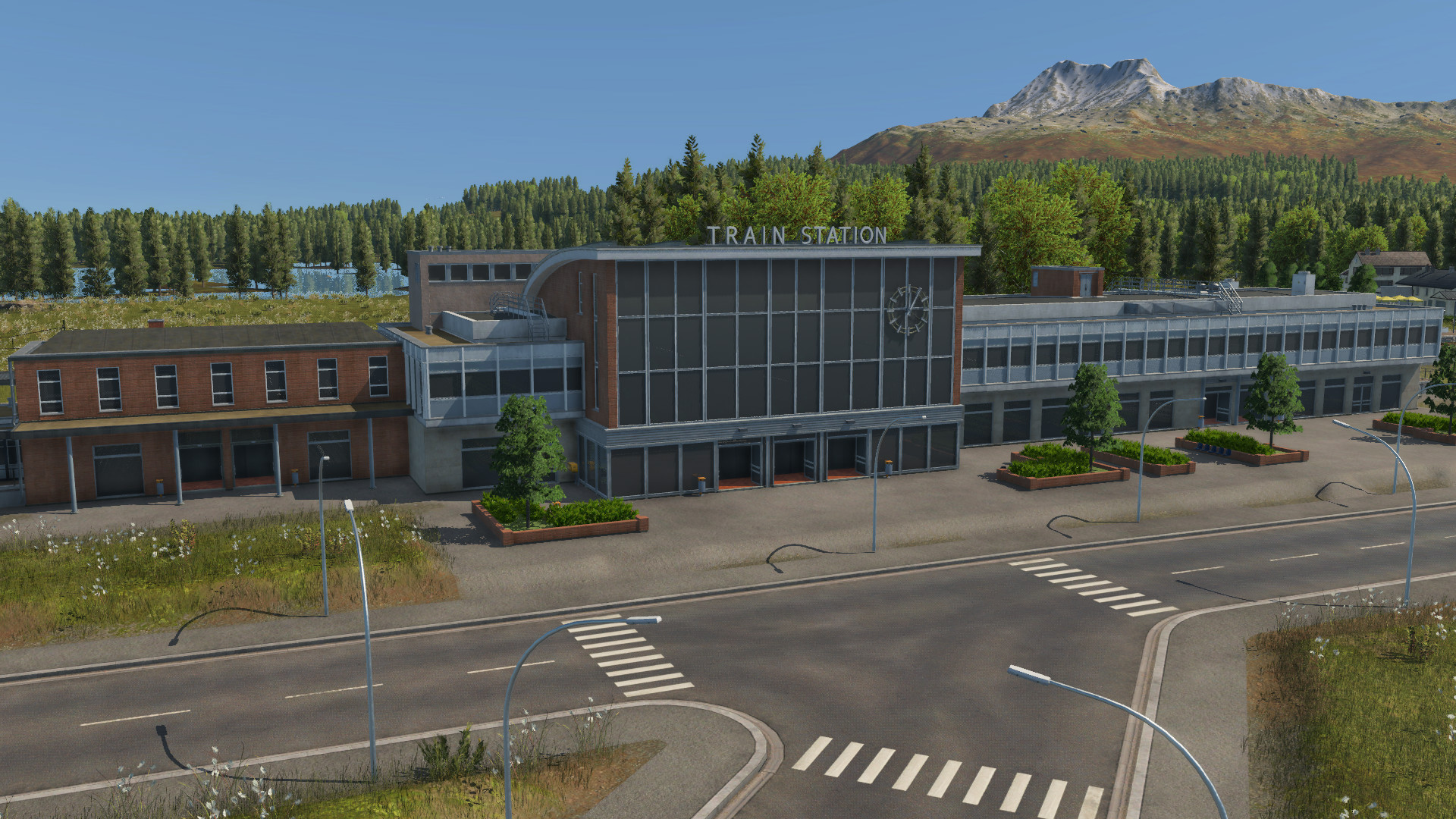
Railway stations
Passenger and cargo railway stations, with through and terminus layouts. Compare era costs, platform choices, electrification and functional modules.
1900 – onwards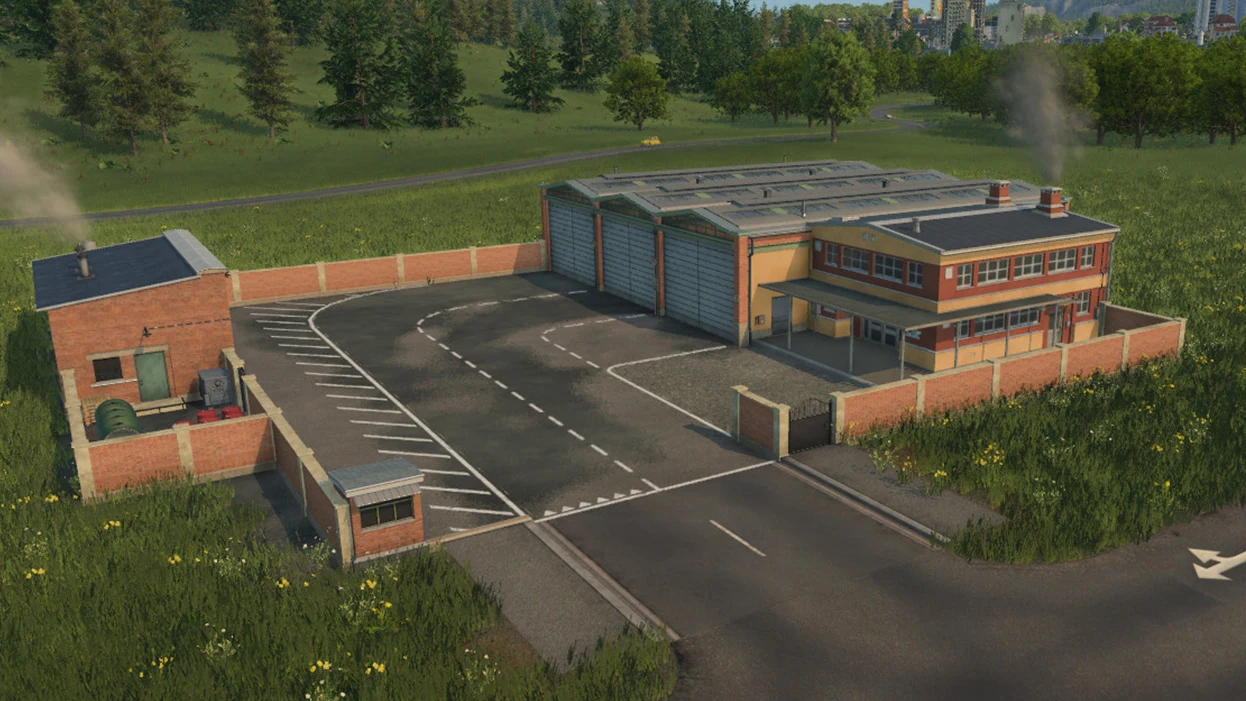
Road Depot
Depot building for buying trucks and buses. In a radius around the building, trucks and buses are automatically maintained.
1900 – onwards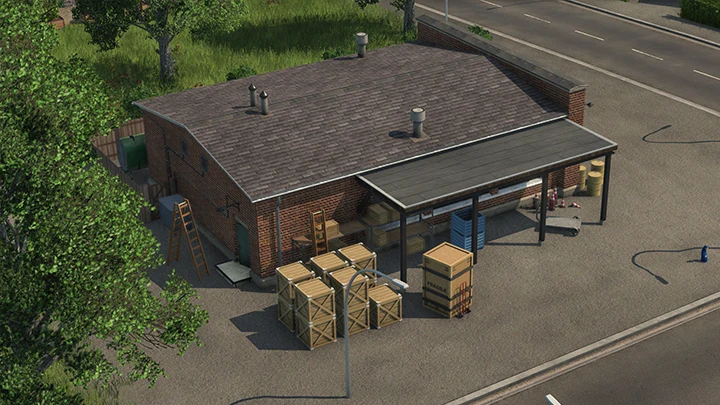
Road Maintenance Building
In a radius around the building, trucks, buses and trams are automatically maintained.
1900 – onwards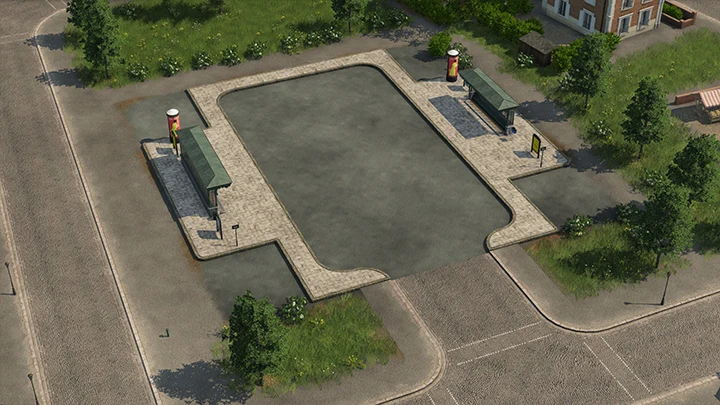
Road terminals
Road terminals for passengers and cargo. Compare era layouts, cargo specialisations and modules that extend capacity or access.
1900 – onwards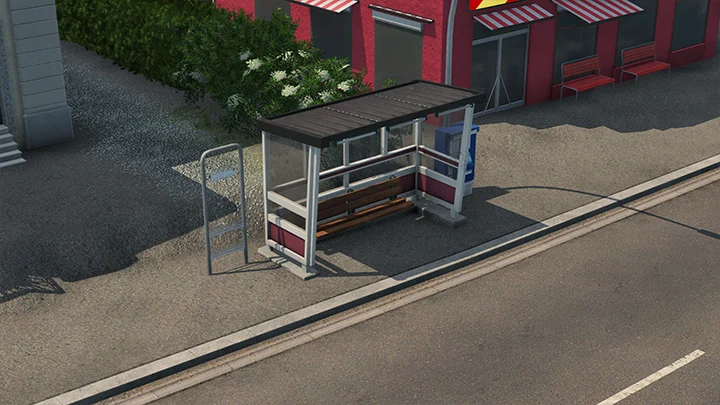
Roadside stops
Roadside stops serve buses, trucks and trams on a compatible street. Passengers can board and alight; freight can be unloaded, but cannot be loaded.
From start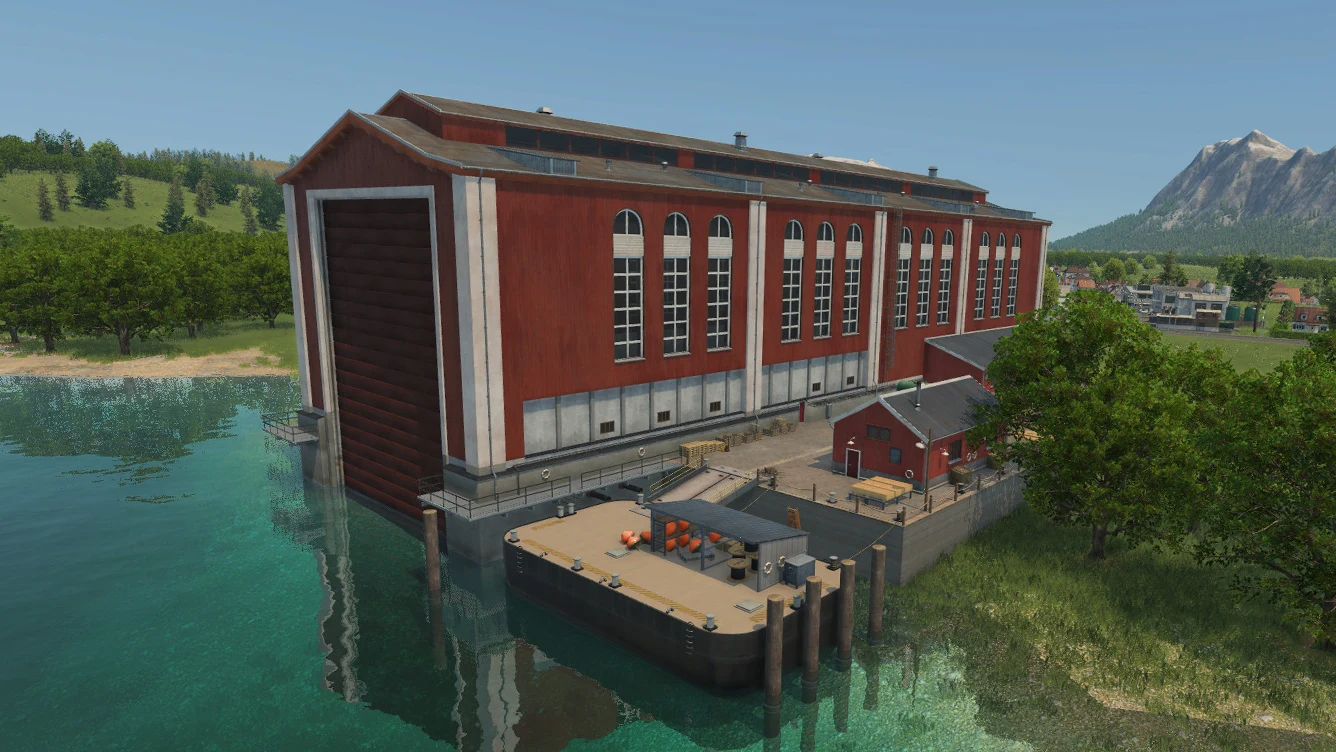
Ship Depot
Depot building for buying ships. In a radius around the building, ships are automatically maintained.
1900 – onwards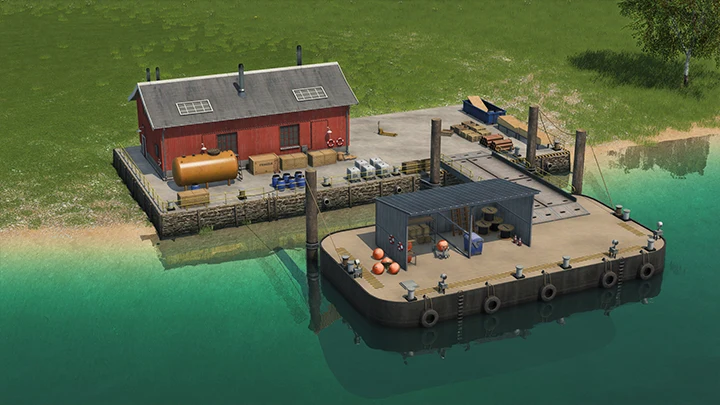
Ship Maintenance Building
In a radius around the building, ships are automatically maintained.
1900 – onwards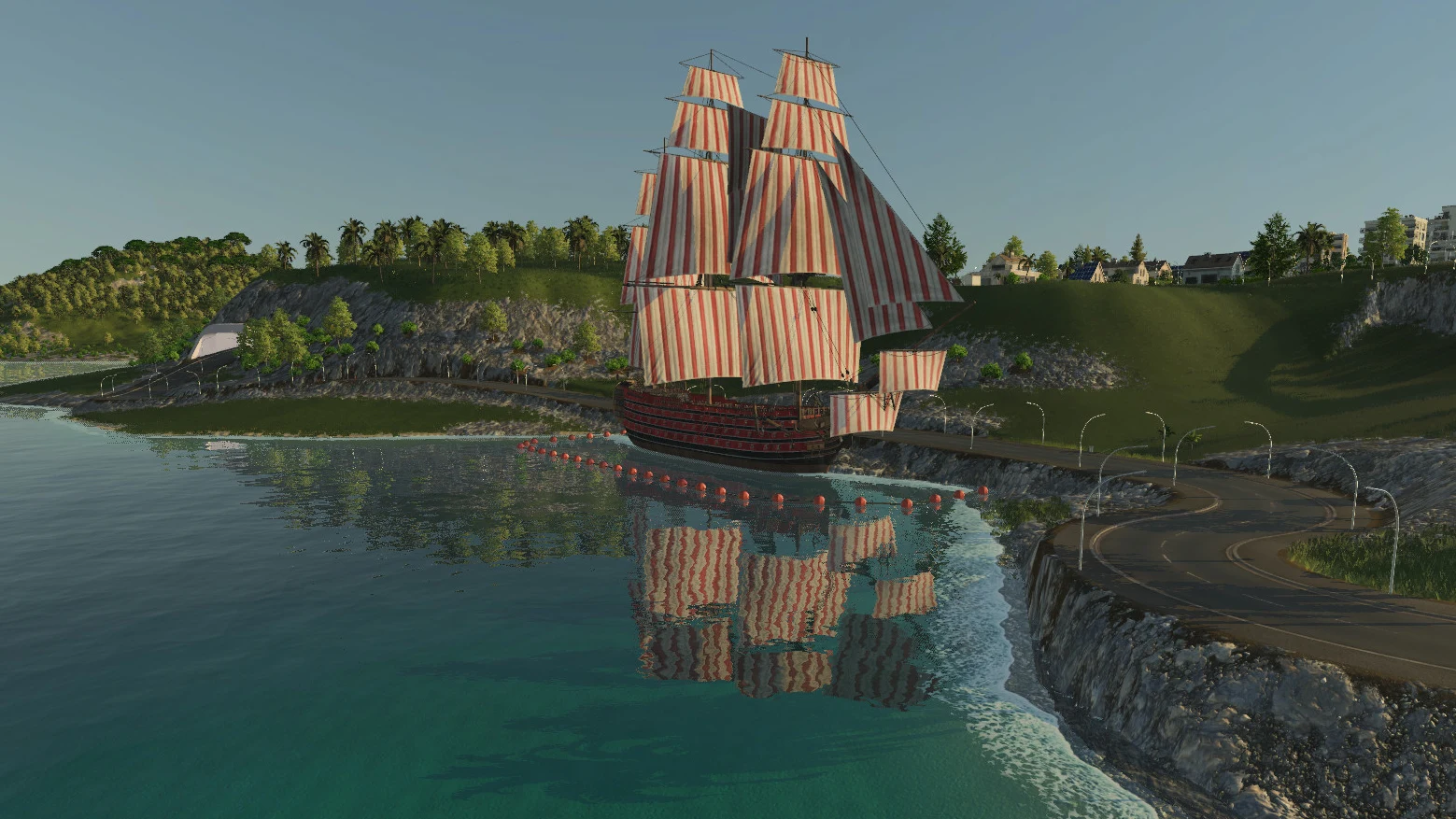
Ship Museum
After construction, changes water vehicle comfort to 1.25× within the municipal area.
From start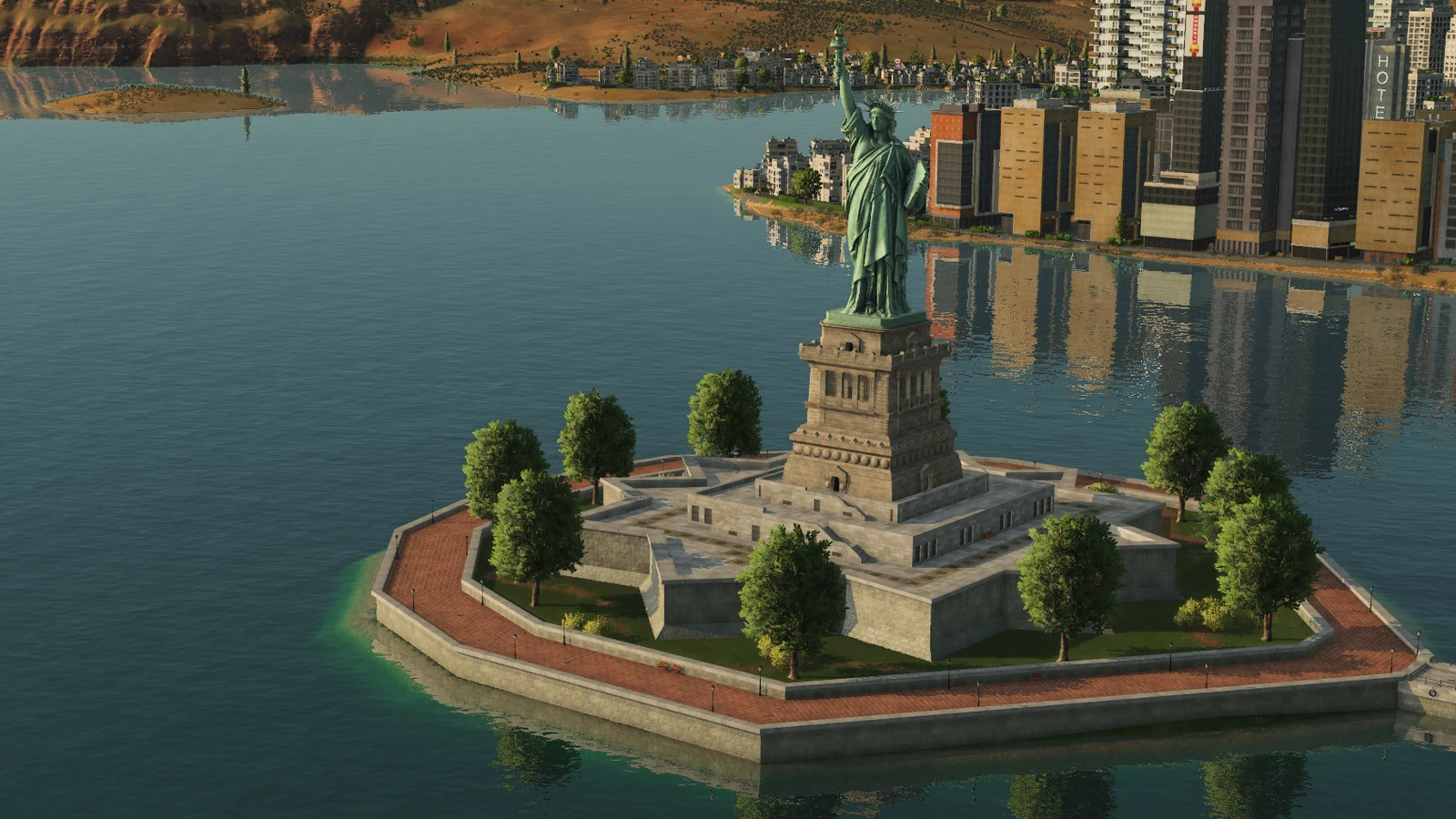
Statue of Liberty
After construction, changes water vehicle pollution to 0.8× within the municipal area.
From start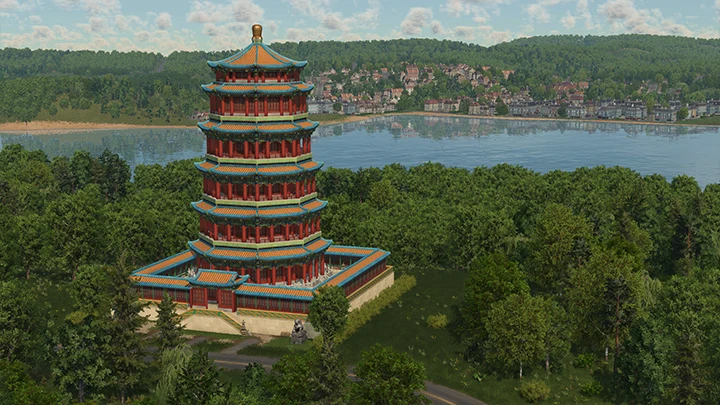
Summer Palace
After construction, changes air vehicle pollution to 0.8× within the municipal area.
From start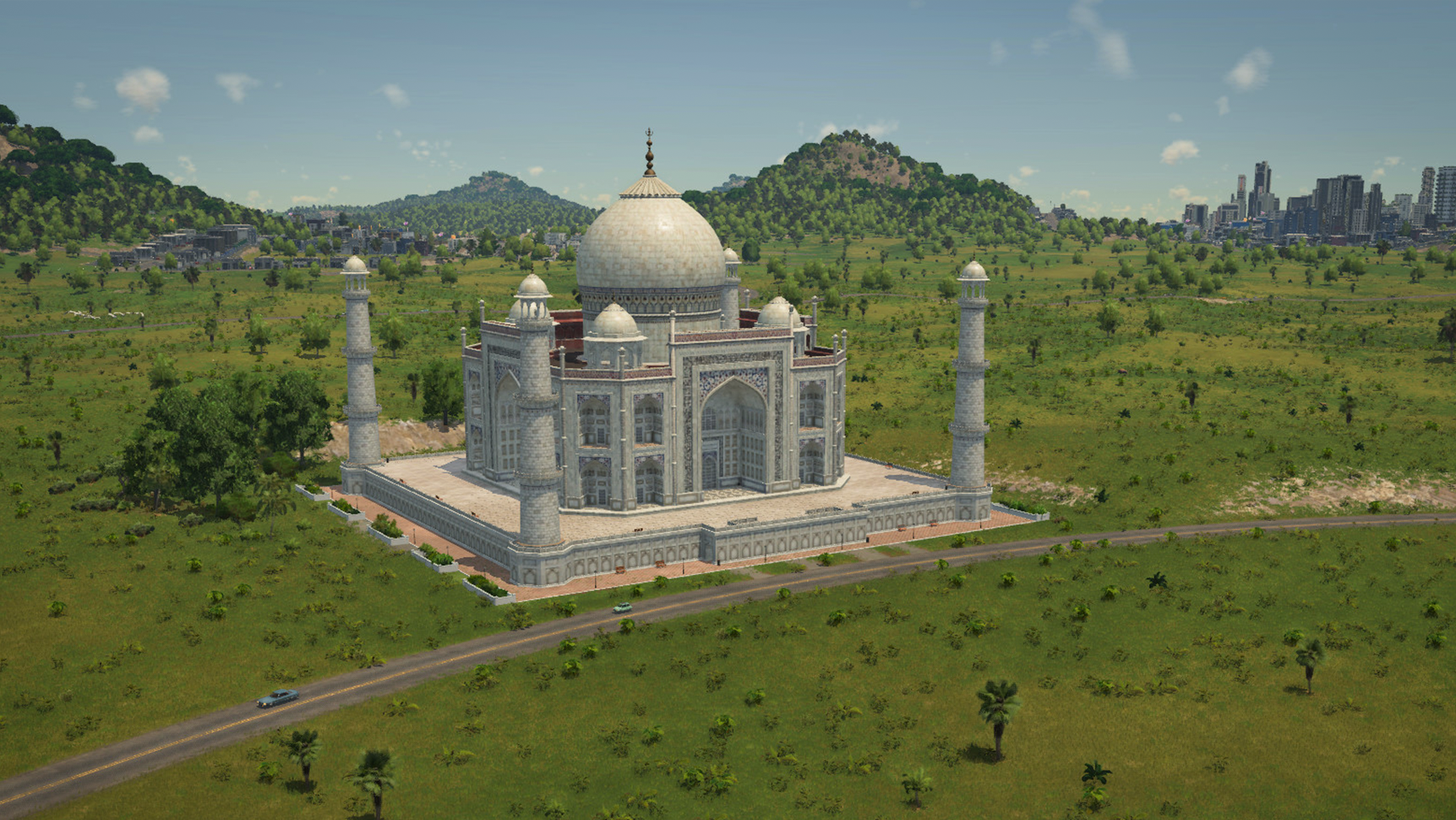
Taj Mahal
After construction, changes air vehicle noise to 0.75× within the municipal area.
From startTowns and passenger destinations
Connect industry deliveries to the districts that demand them, and passenger services to the places people travel. A transport connection needs both a suitable service and access to its destination.
From start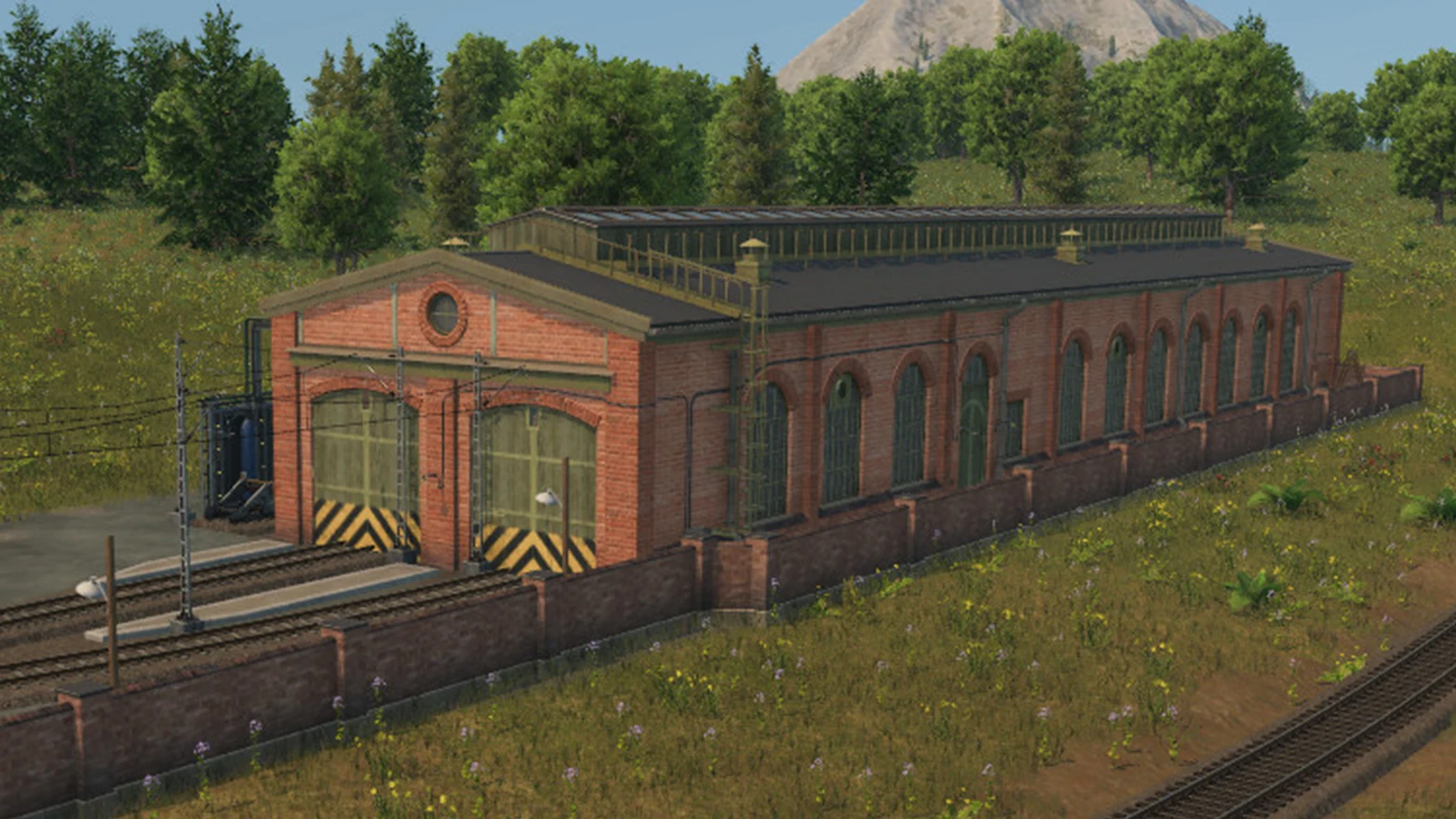
Train Depot
Depot building for buying trains. In a radius around the building, trains are automatically maintained.
1900 – onwards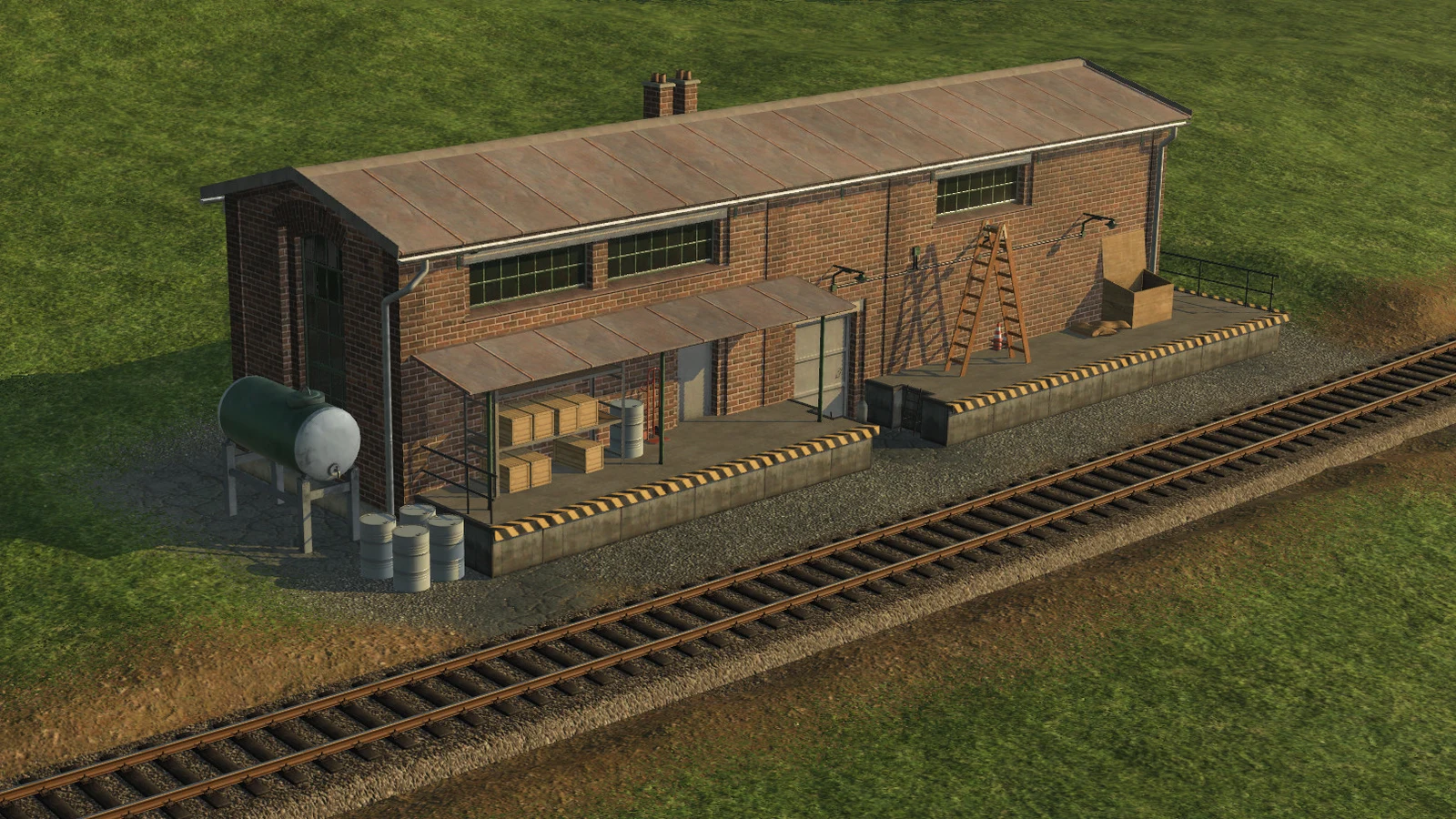
Train Maintenance Building
In a radius around the building, trains are automatically maintained.
1900 – onwards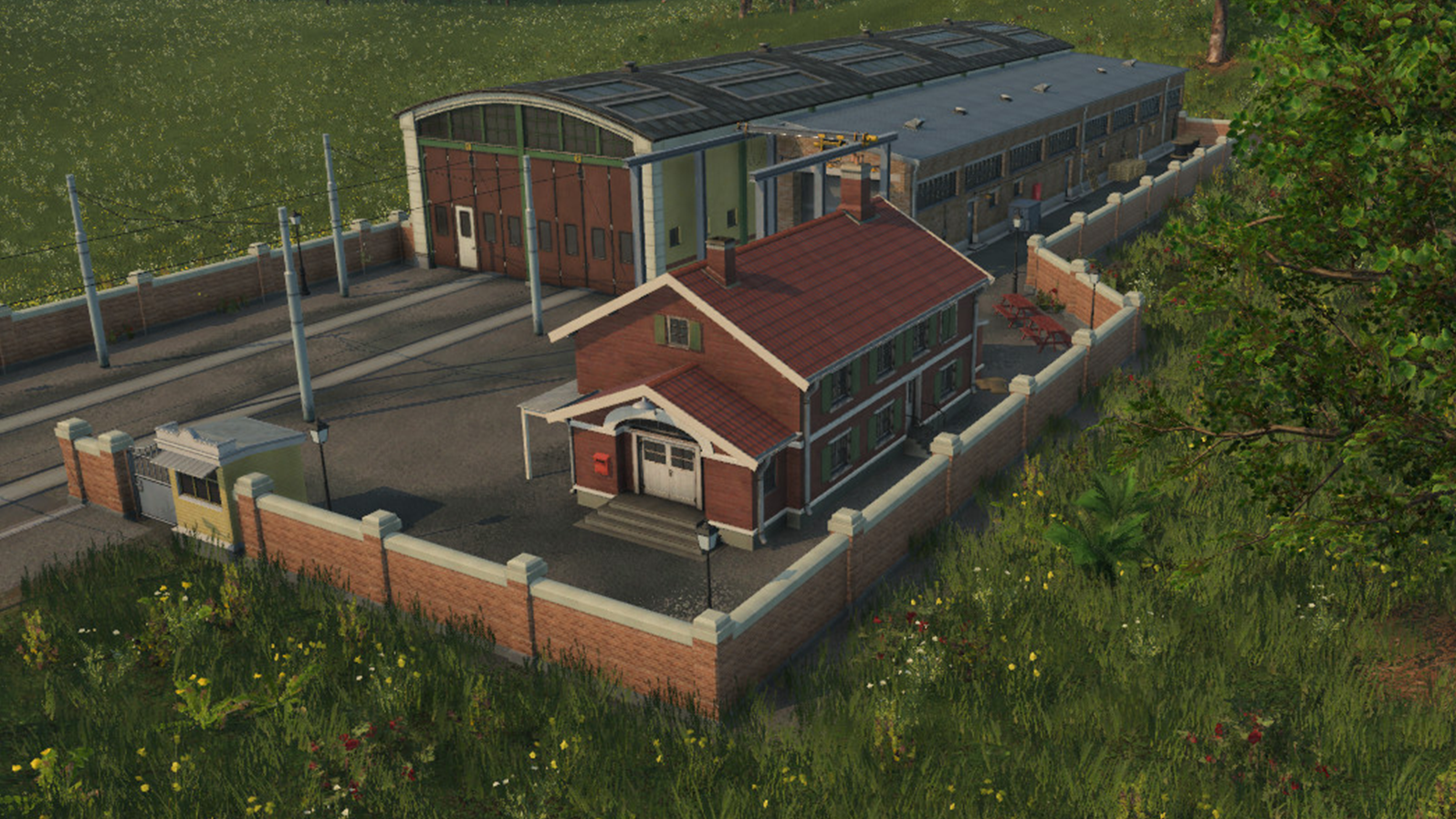
Tram Depot
Depot building for buying trams. In a radius around the building, trams are automatically maintained.
1900 – onwards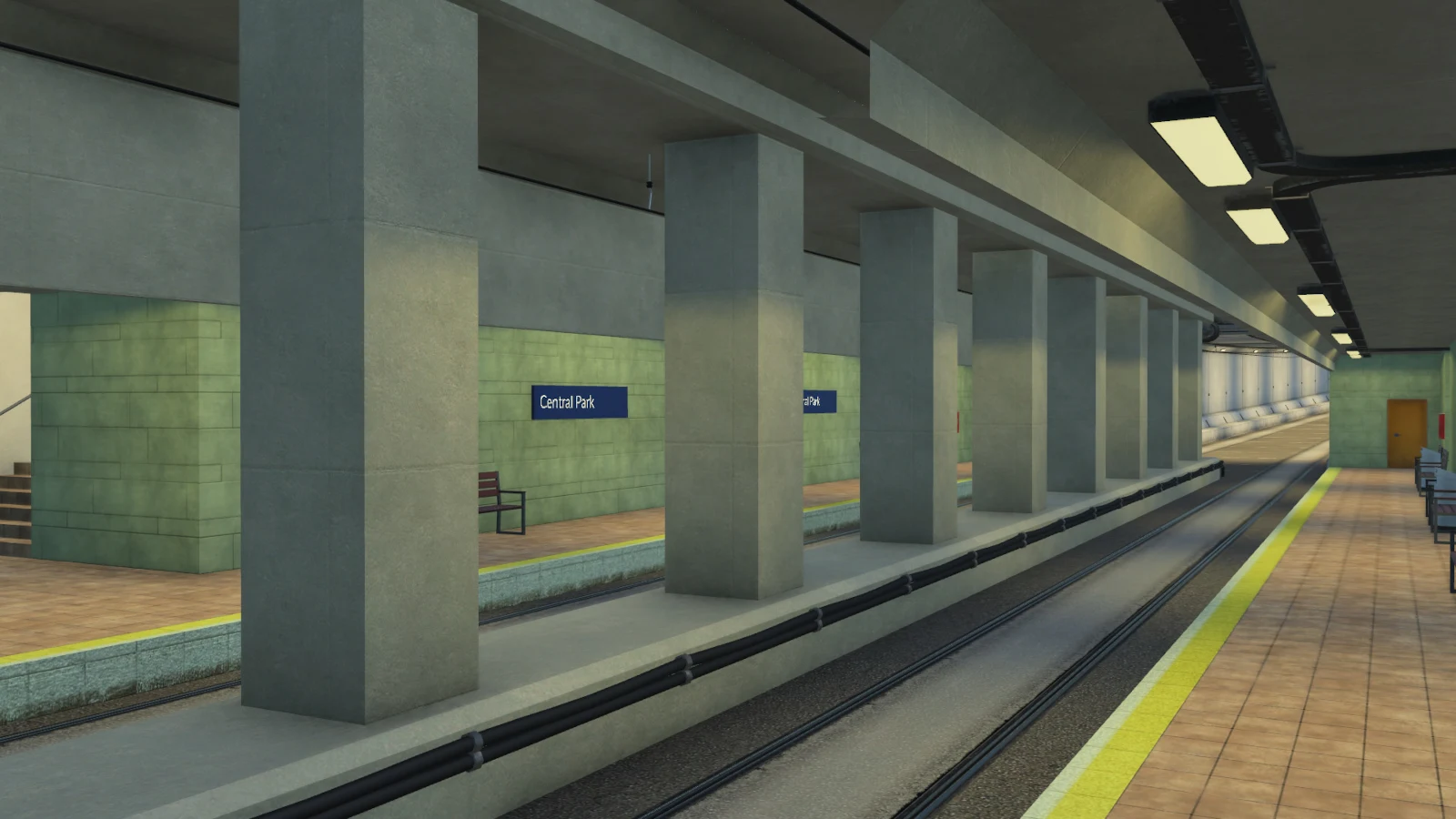
Underground Stop
Underground stop for passengers, with an exit on the surface. This allows to keep the tram lines underground.
1970 – onwards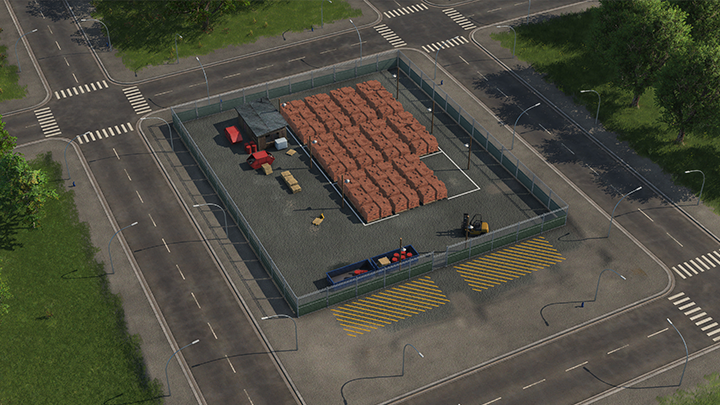
Universal Warehouse
Warehouse for any cargo type that can be extended and specialized with modules.
1900 – onwards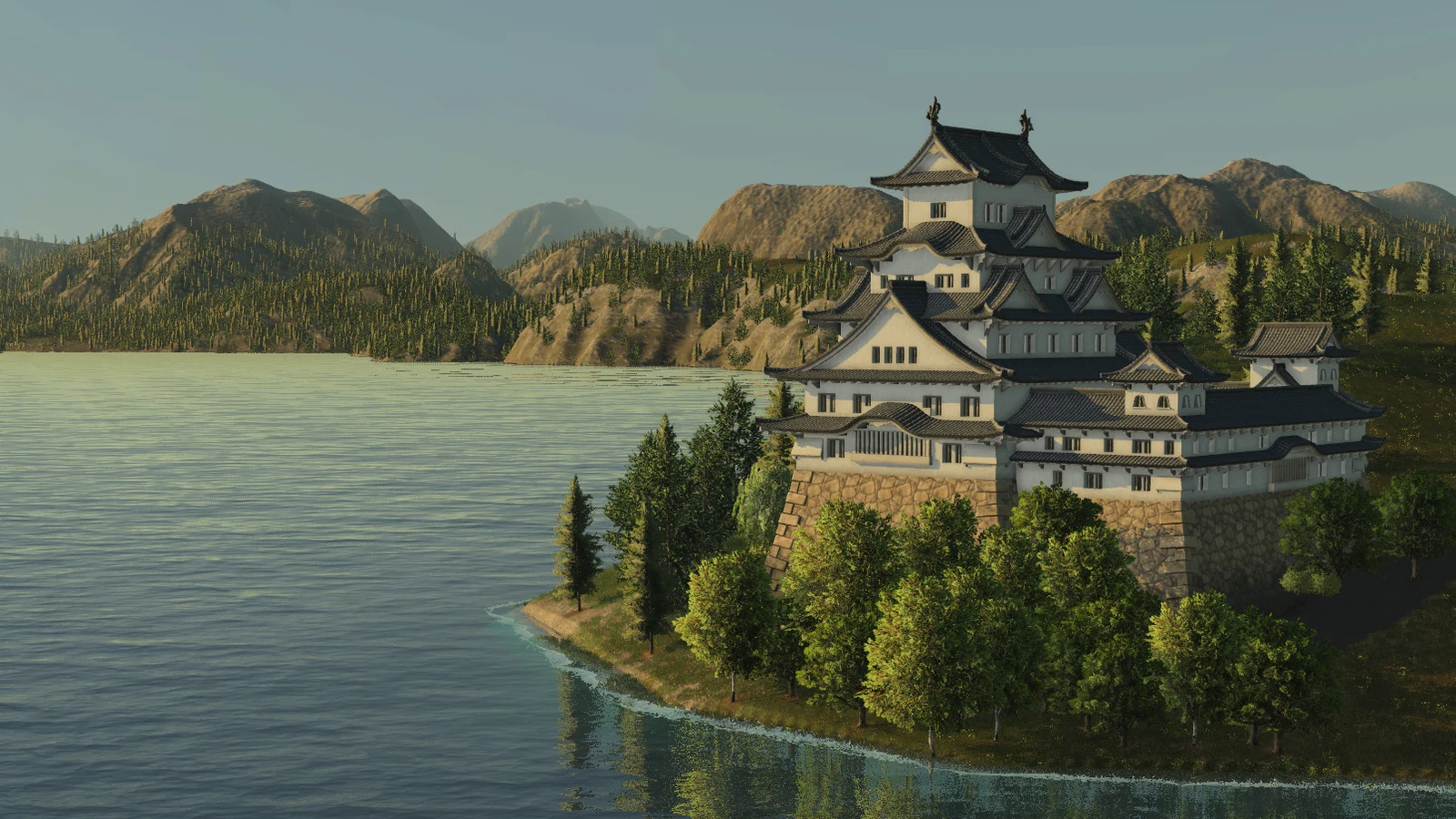
White Heron Castle
After construction, changes rail vehicle pollution to 0.8× within the municipal area.
From start